South Africa – 2019
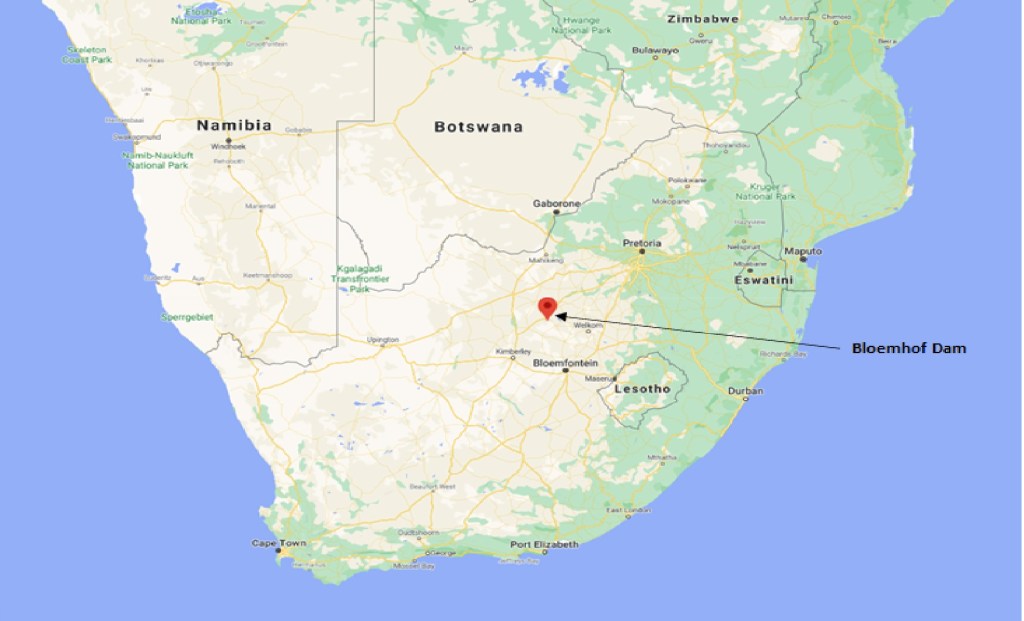
In February 2019, The Australian Federation of Corse Anglers Association sent a team to compete in the 9th Feeder World Championships held at Bloemhof Dam South Africa. This is an account of their campaign that started back in 2018.
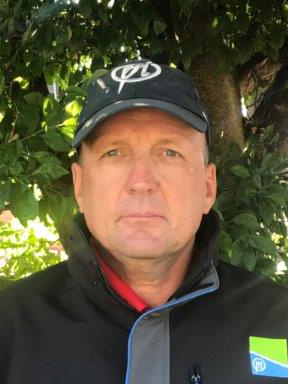
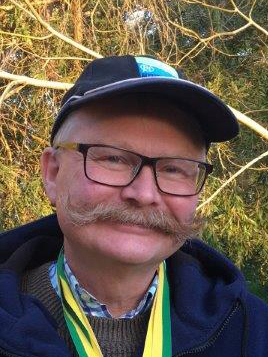
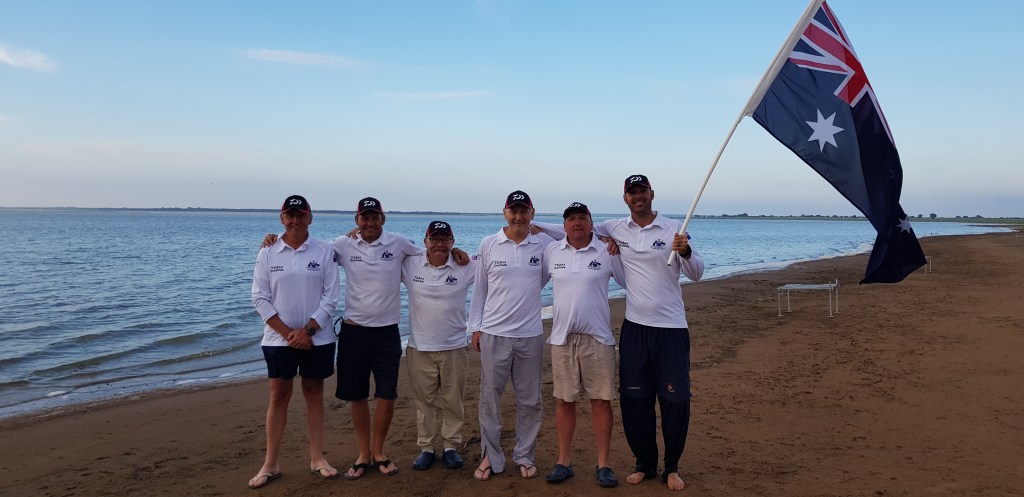
The sent that went to compete at this event consistent of the following anglers:
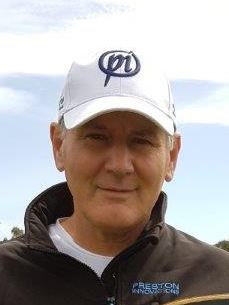
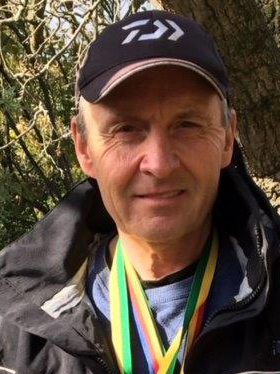
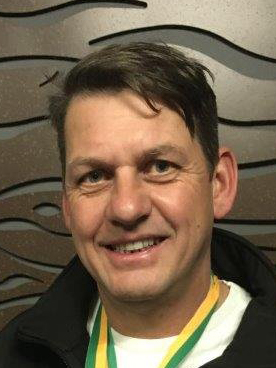
It became apparent that there was an enormous amount of planning required to mount this campaign. The team assembled in Adelaide for their first meeting and assigned each member tasks to be accomplished in an agreed timeframe. After a period of three months, flights had been booked, accommodation in South Africa had been arranged, local transport organized, team uniforms designed and produced, tackle sponsorship gained, and numerous other tasks accomplished. Now it was time to concentrate on the important stuff, tactics.
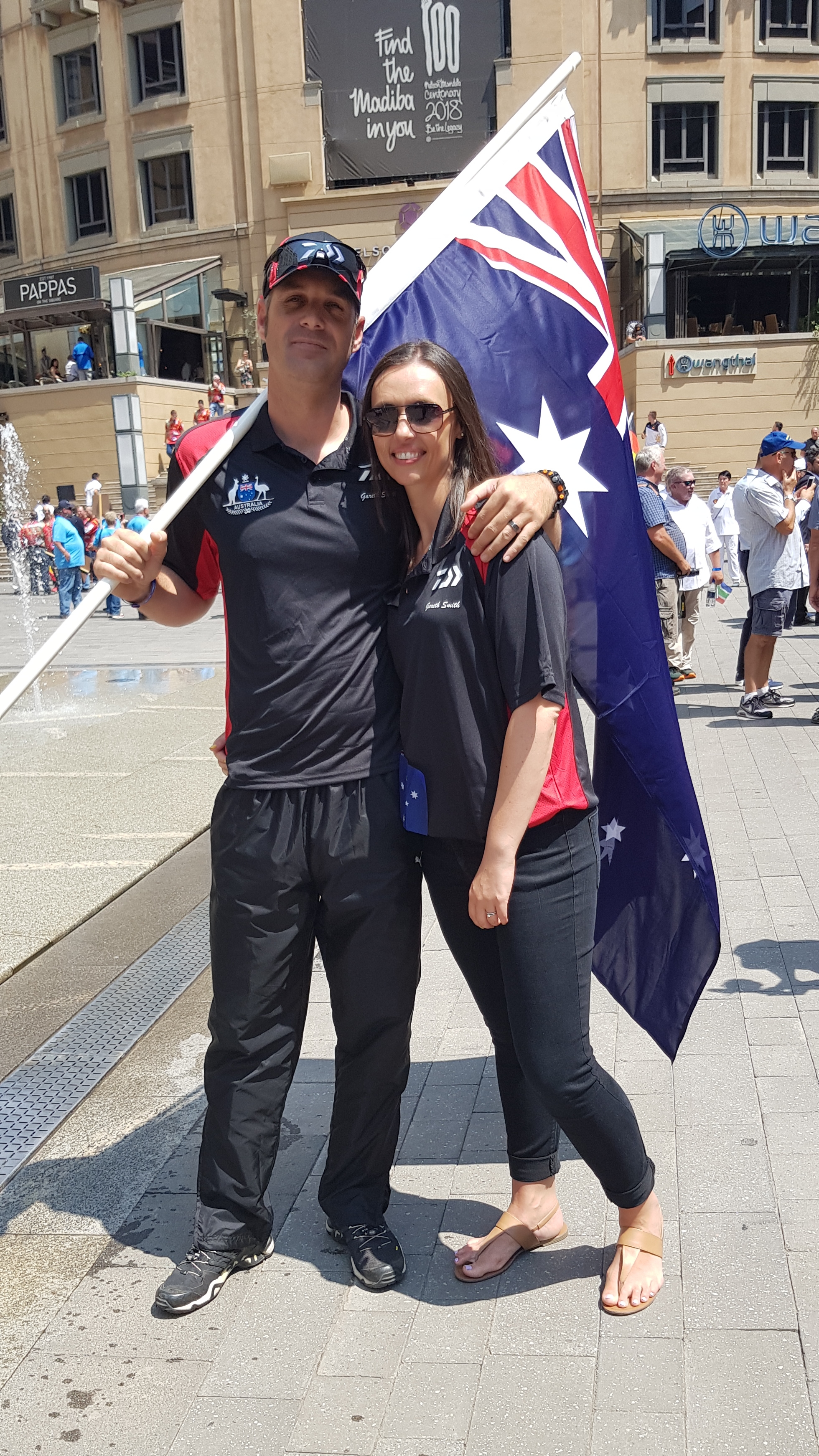
As team members were from both Victoria and South Australia, phone conferences happened on a weekly basis. Ideas and tackle requirements were discussed in detail, however, there was one ingredient missing, local knowledge. Contact was made with Frans Burger, the founder of Bank Angling Australia, a club that specializes in South African style of fishing here in Australia. Frans was very helpful in giving the team information on the venue but more importantly put the team in contact with a South African match angler, Gareth Smith, who was in the process of applying to migrate to Australia. Contact was made with Gareth and it soon became obvious the team had found someone that was a very capable angler who was more than willing to help. Gareth was made team manager and arrangements were made to provide him and his wife Maryke, accommodation with the team at Bloemhof. February 2019 came around quickly and the team met in Sydney for their flight to Johannesburg.
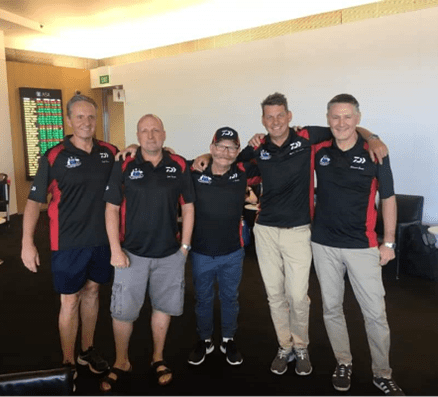
The 9th Feeder Championships were incorporated in The Fishing World Games that are held every four years, it is the Olympics of fishing. Teams from all disciplines of angling assembled in Nelson Mandela Square, Johannesburg for the opening ceremony. It was here that Gareth and Maryke joined the team after a long drive from Cape town.
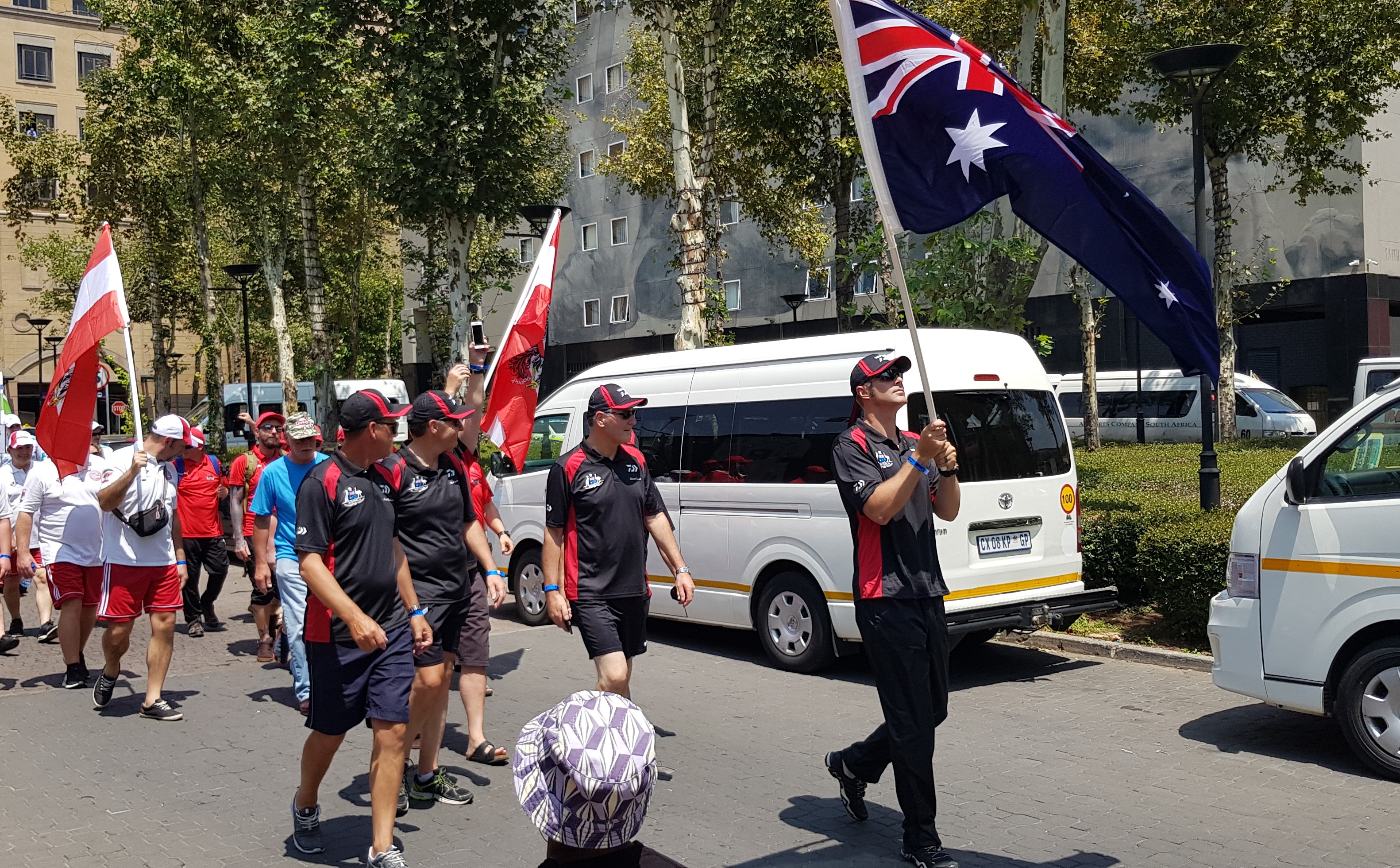
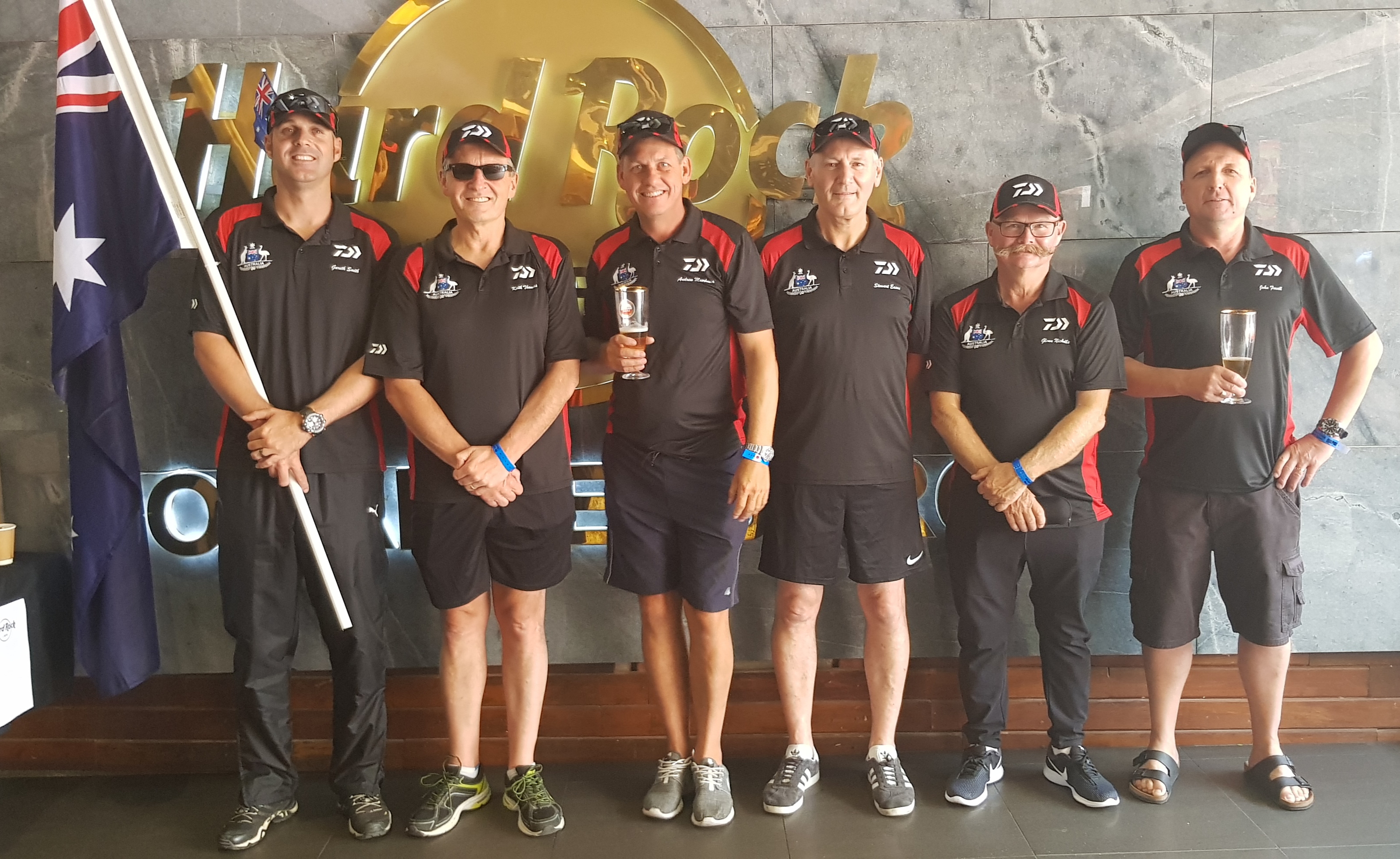
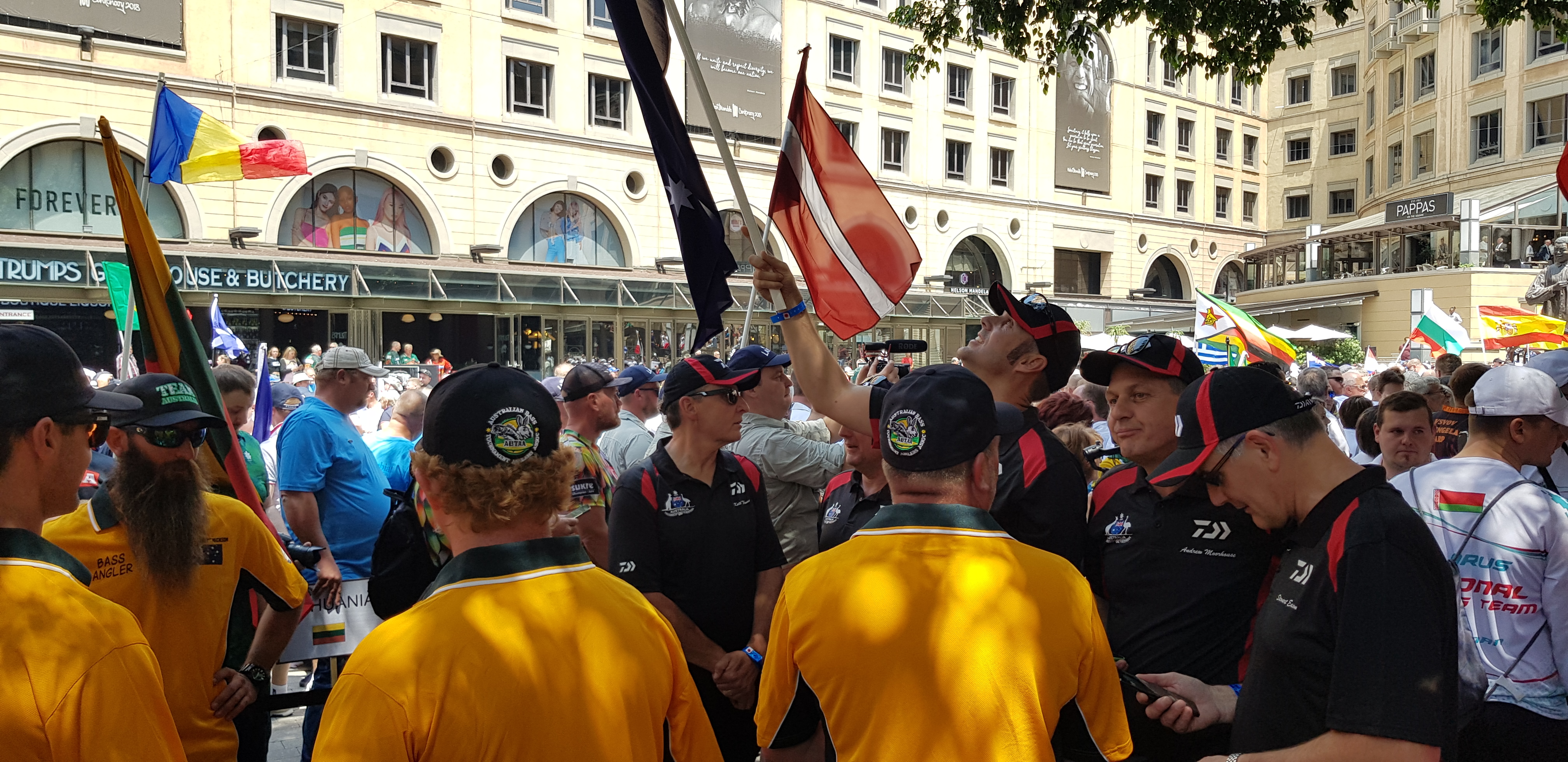
At the completion of the ceremony, it was into the three locally hired utes packed full of gear and bait and off to Bloemhof, a four-hour drive through the South African countryside. Once settled into their digs and gear unpacked the team had one day to set up and prepare tackle for the compulsory five days of practise.
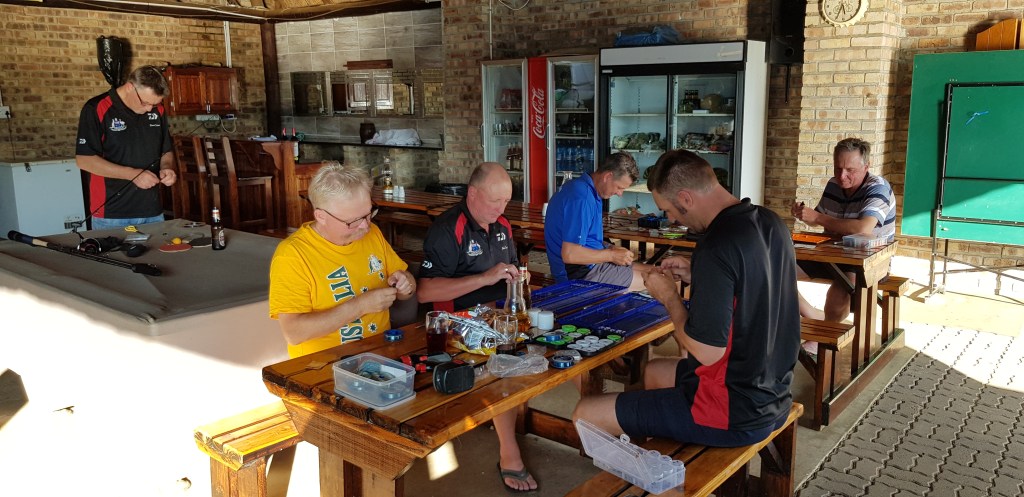
The venue was a one-hour drive from the accommodation through the beautiful Bloemhof Dam nature reserve. On arrival at the designated practice zone the Australian flag was proudly hoisted, and the team began the first day of practice. It was decided to try various ground bait mix’s and start on a 50-metre line with license to change as the day progressed. The session started slowly and quietly built as the day went on. Carp around the 1-2Kg mark were the main fish caught along with the odd grass carp, however the grass carp were significantly smaller.
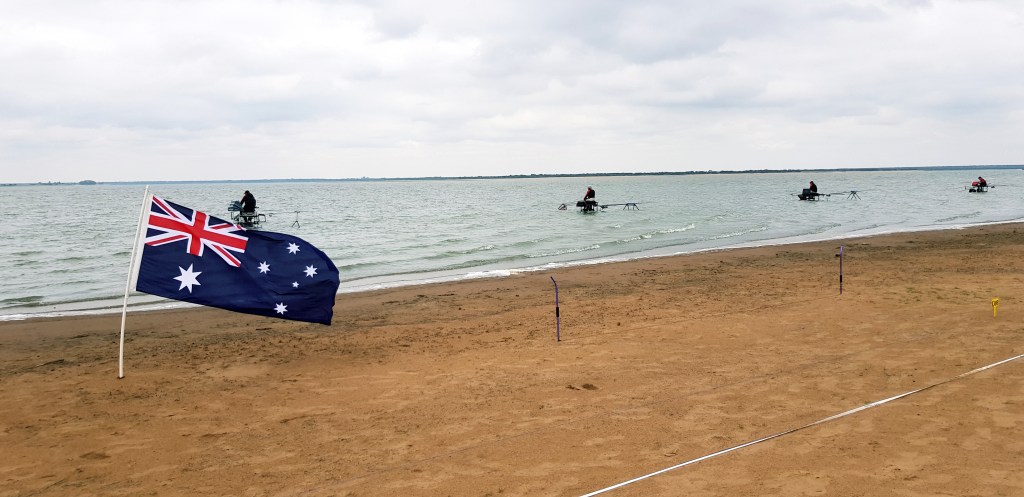
Throughout the rest of the week the fishing got better and better. The carp came closer and closer to the bank each day and it looked like 25-30 metres would be the best option to build a reasonable weight. Corn was going to be the main hook bait choice as maggots and bread were not allowed in the competition. Worms were allowed but did not produce much for the team during practice. Two types of ground baits were used, a fine corn based mix that was used fairly dry and seemed to attract the grass carp, yellow and mud fish and a coarser mix with particles that caught the majority of carp. There were some good size catfish in the venue however only a few small ones were caught during practice.
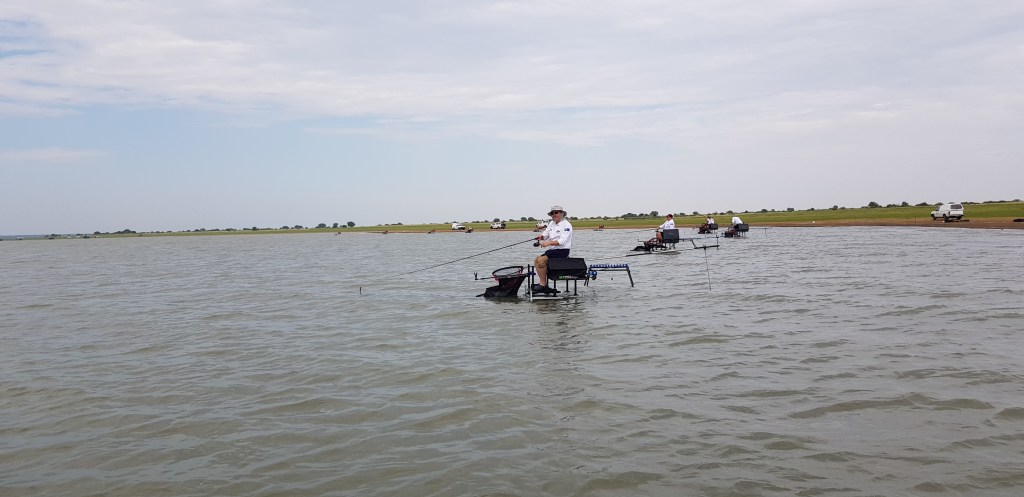
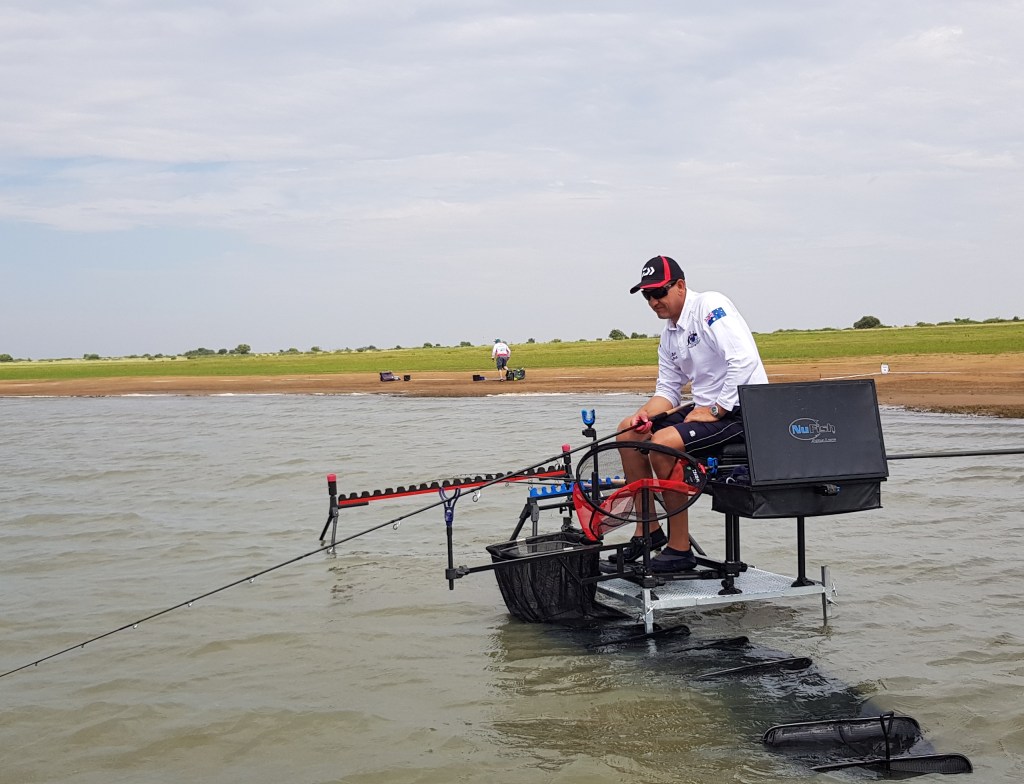
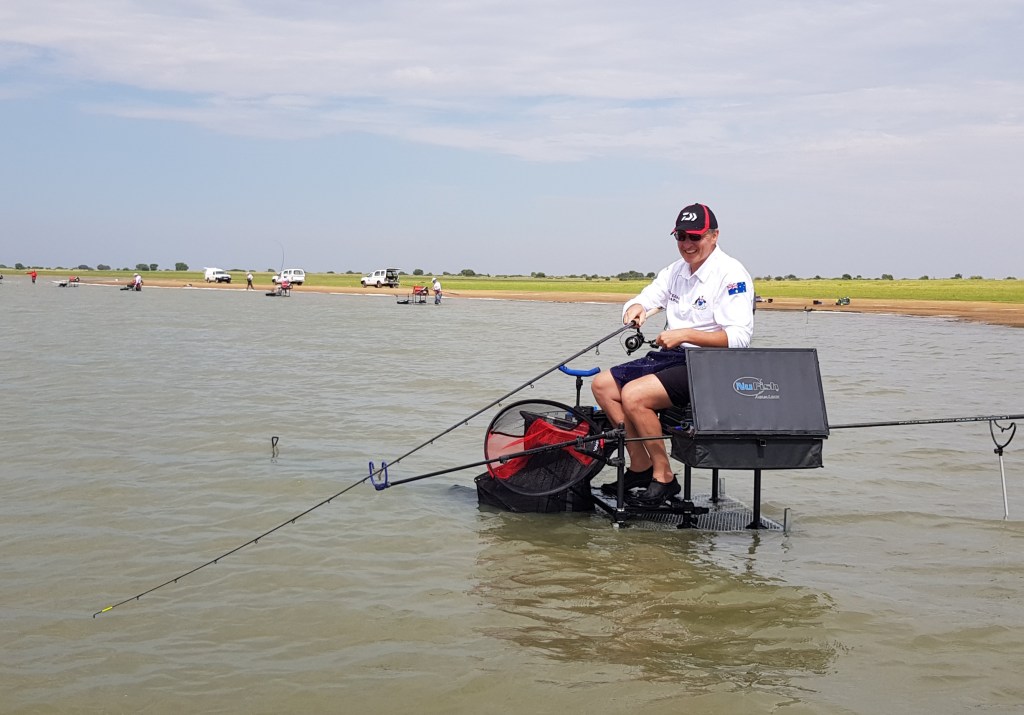
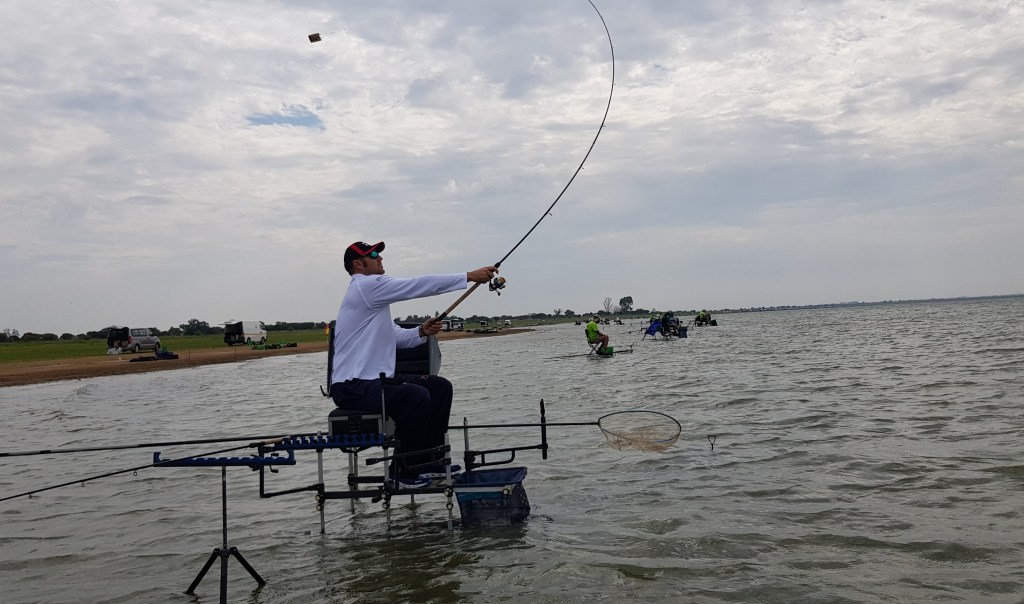
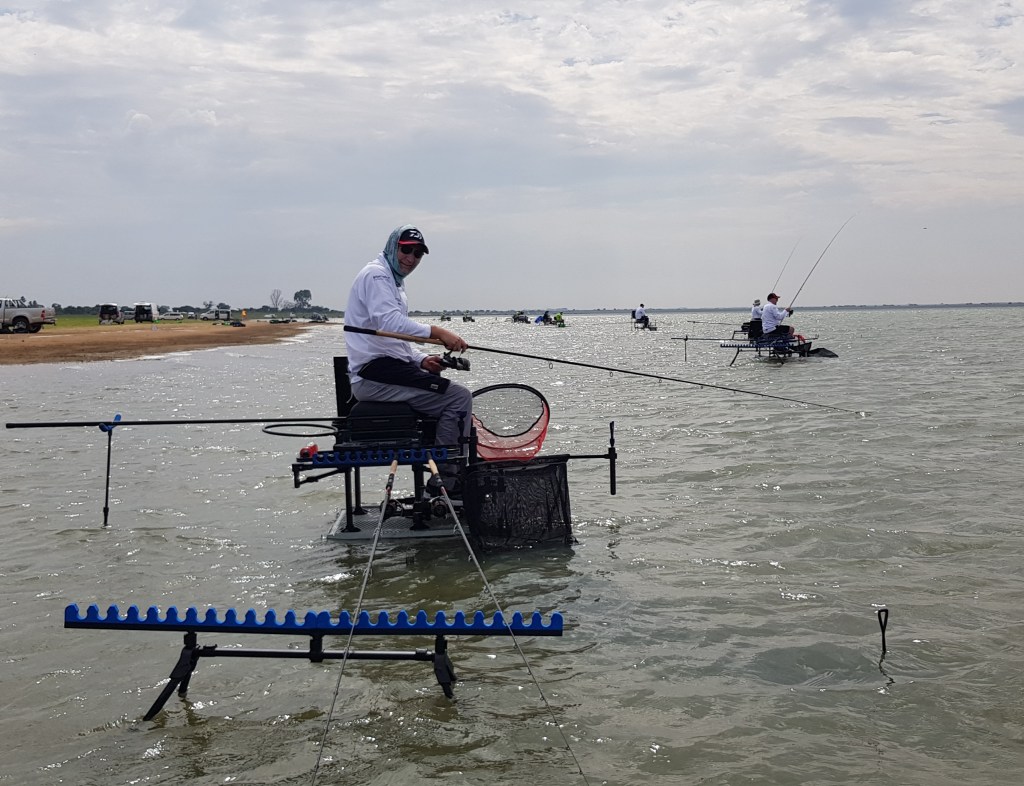
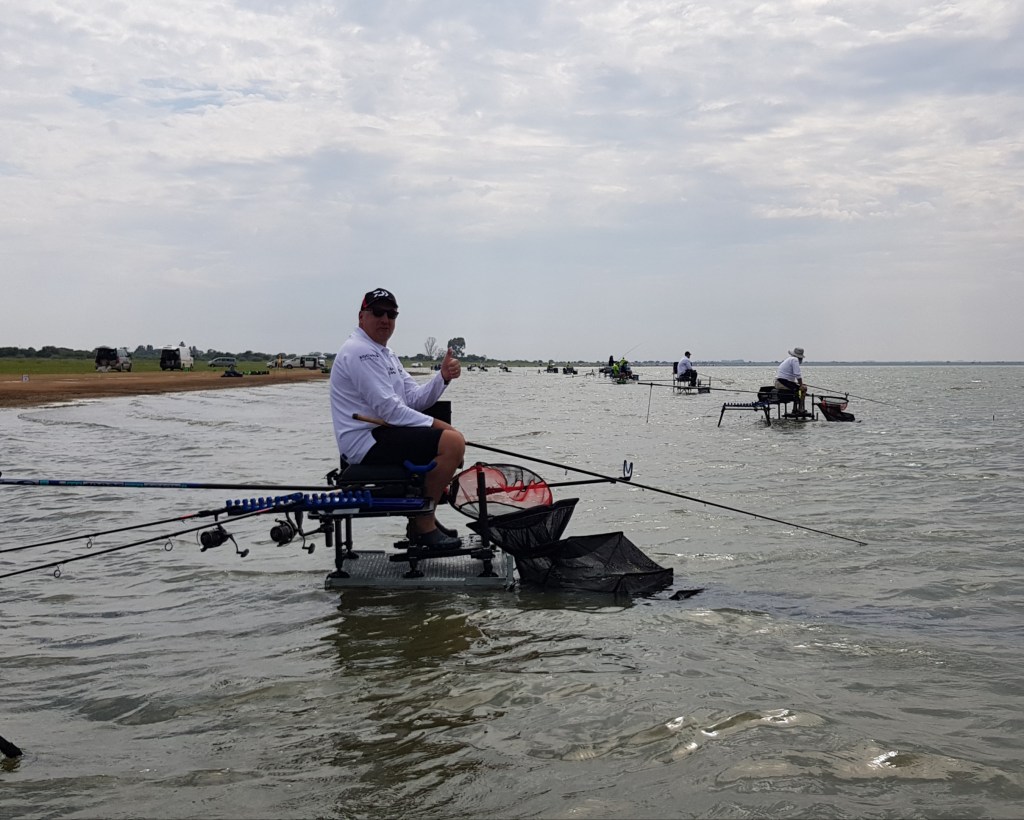
The five days of practice soon came to an end and preparation for the two-day World Championships needed to be done on the Friday evening. Tackle had one final going over and bait preparation began.
It was a 4:30am start for the team, mixing ground bait and making sure it passed the mandatory bait inspection that occurs before the match starts, there are strict rules as to how much each individual competitor is allowed. The venue seemed to be a very fair with fish being caught throughout the length during practice. The team’s expectations were weights of around 20 Kilo per man would be a decent result.
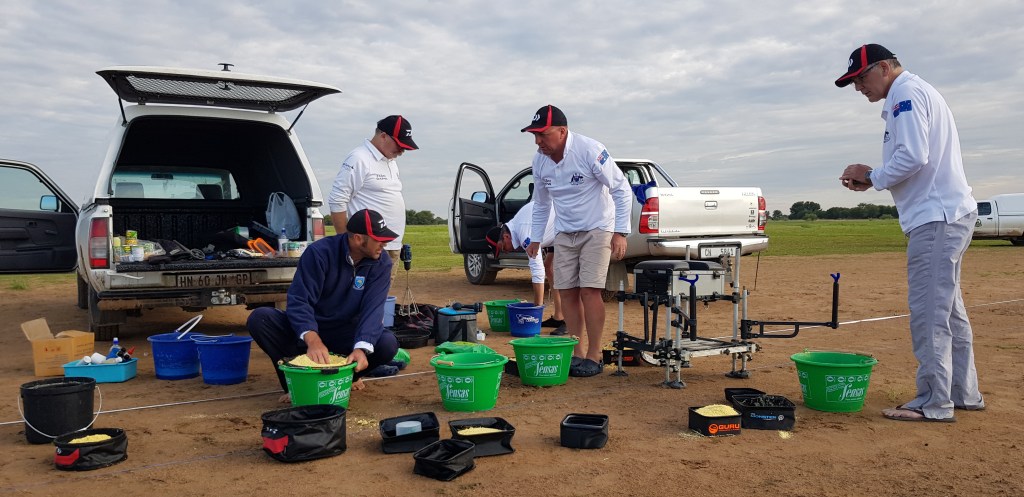
Under international rules each angler can enter their box (peg) zone 1.5 hours before the start. So, it was critical to have as much gear as possible preset up, the platforms provided were approximately 10 metres from the bank so there was a lot of carrying gear to and from the bank. 10 Minutes prior to the start competitors could pre bait their peg and then the siren sounded for the start at 10:00am.
Well day one did not go as well as expected, all the guys caught well in the first hour then things started to slow down. The team plan was to concentrate on catching carp, however, they seemed to back off and the grass carp became more prolific. All the guys kept plugging away for carp but were losing ground to those around them who were catching grass carp at a rate of one a cast. By the time they had worked it out it was too late, to say the team were devastated would be an understatement. Most of the team had around their target weight however, it seemed that weights of over 30kilo per man would be required to be in contention on day one. Australia was sitting in last position!
Day two was a bit better for the team and they managed to claw their way above Portugal and finish second last. The decision not to target grass carp had truly backfired. It must be said though the organizers did change the venue from a part of the dam that required long casts of over 70 metres to the section that was finally selected that only required 20 metre casts did put the team at a disadvantage as the rods, reels and tackle selected were not suited to close range feeder fishing. Having said that not one member of the team felt that this is what caused their poor result, it basically came down to picking the wrong tactic on the day.
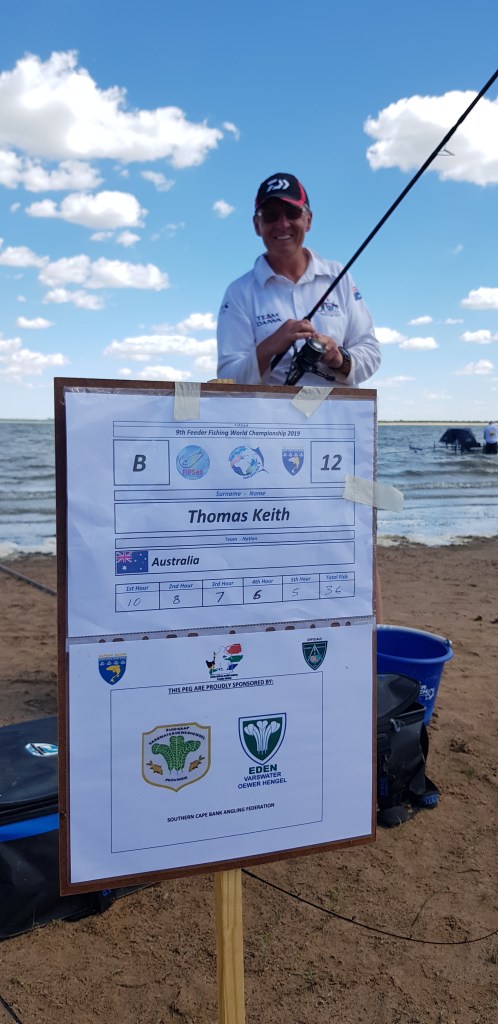
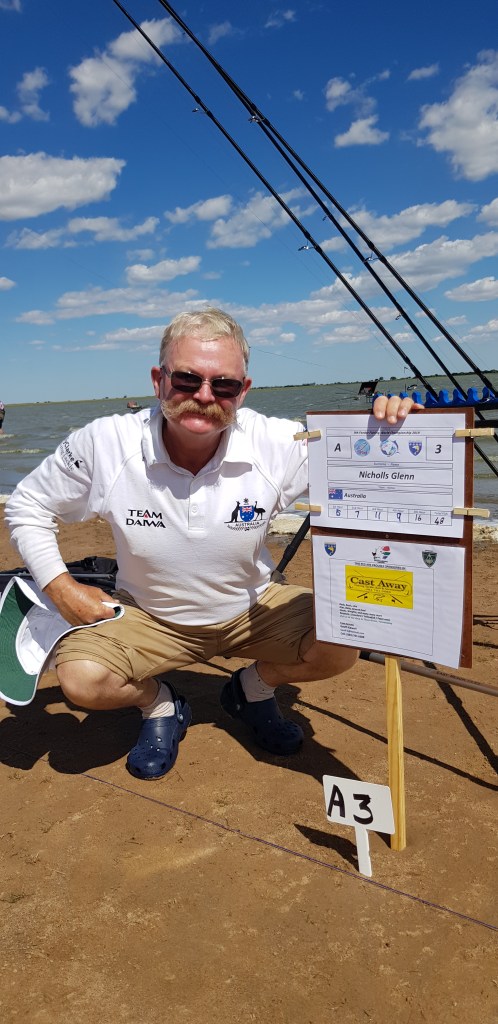
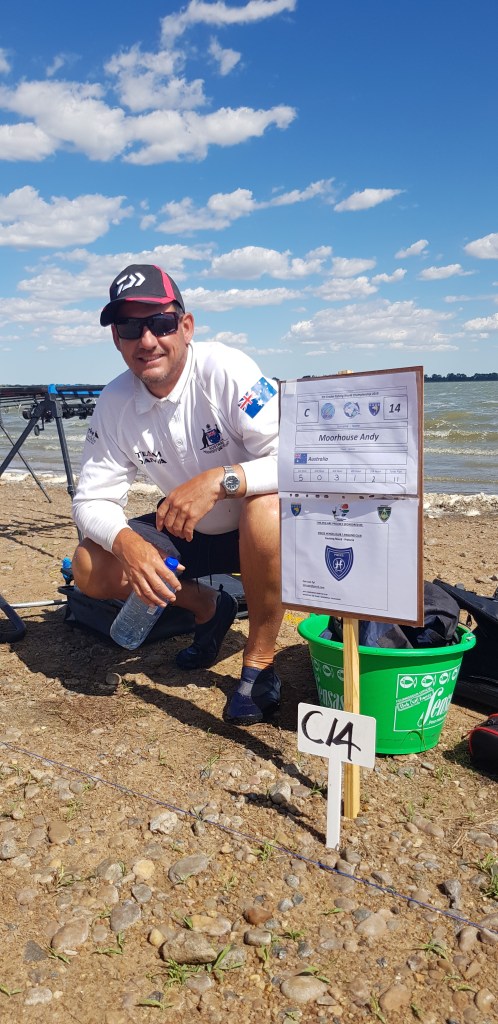
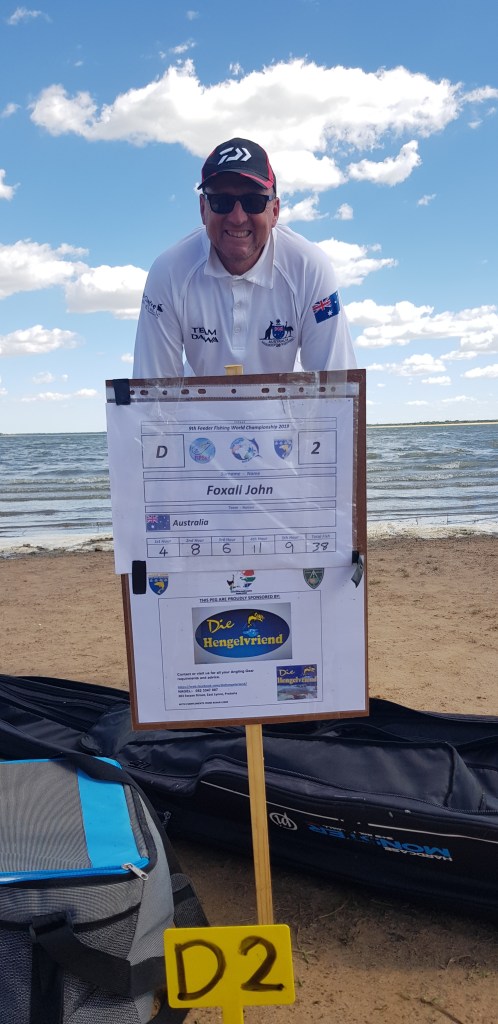
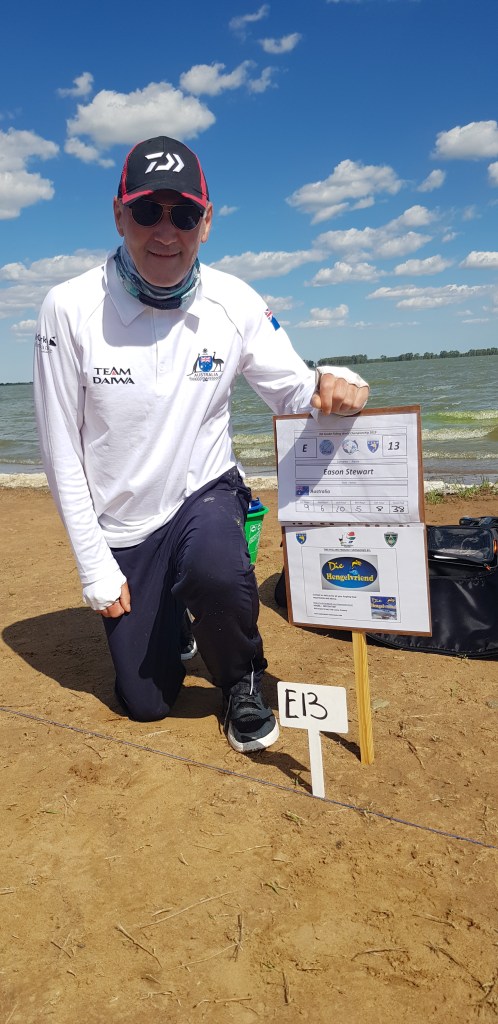
There should be no underestimating the commitment, resolve and financial outlay it takes to embark on competing at World Championships. There is no denying the team that proudly represented Australia in these championships were a highly skilled team of anglers and each and every one of them would be the first to admit they were up against the very best in the World.
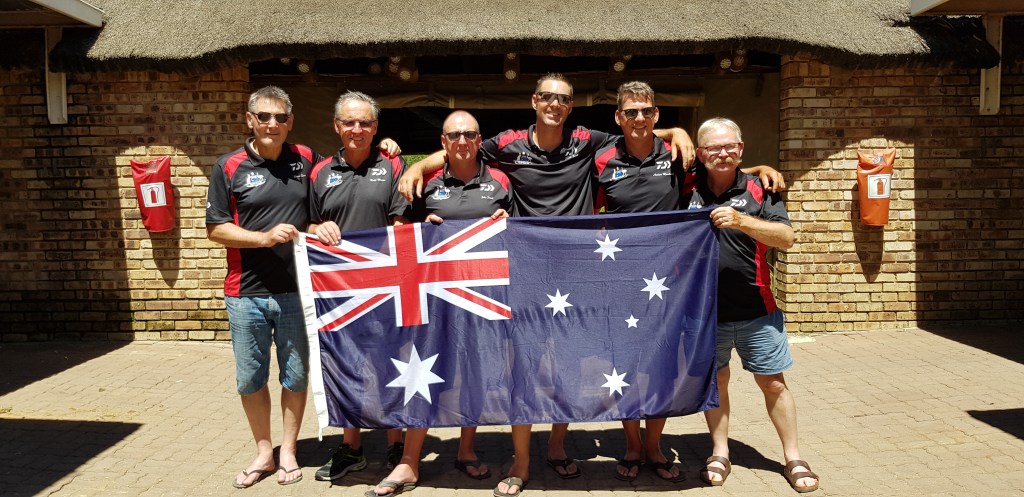
 Australian Federation of Coarse Anglers Association